

Dentistry@Kanata
July 9, 2026
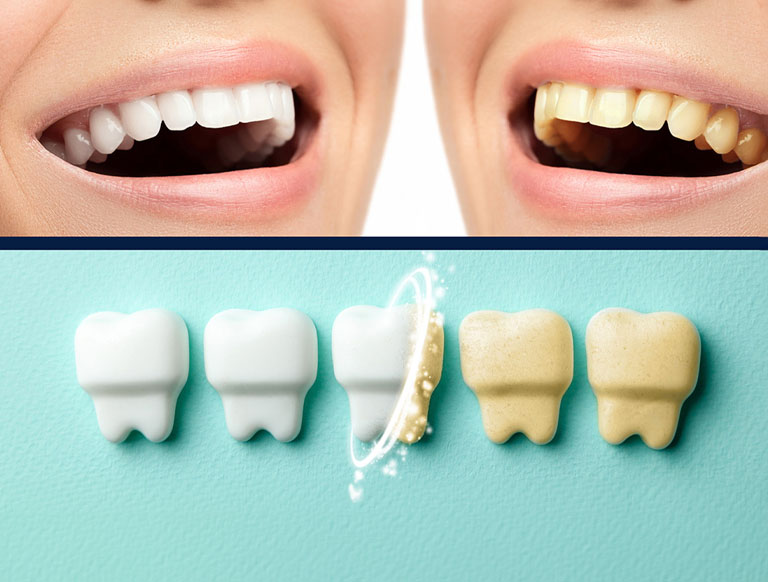
Professional teeth whitening offers a safe and effective solution that can dramatically enhance the appearance of one's teeth.

Professional teeth whitening is one of the most common ways to brighten the natural colour of your teeth and refresh your smile. For patients in Kanata and Ottawa, whitening can be a helpful option when stains from coffee, tea, red wine, tobacco, aging, or everyday foods start to make teeth look dull or yellow.
The 3 main types of professional teeth whitening treatments are:
Each option has advantages depending on your goals, timeline, sensitivity level, and current oral health. Professional whitening may be a good fit if you want to:
Whitening comes down to a simple chemical reaction. The active ingredients, usually hydrogen peroxide or carbamide peroxide, are typically applied to your teeth as a gel. As the gel sits on the surface, it releases oxygen that moves through the tiny pores in your enamel and reacts with the pigment molecules behind your stains.
This process breaks larger pigment molecules into smaller, less visible fragments. As those stain molecules are broken down, the discolouration fades and your teeth begin to look noticeably brighter.
Enamel is slightly porous, which is what allows whitening gel to reach stains beneath the surface. In-office treatments usually use a stronger professional gel and may be paired with an LED light depending on the whitening system. Take-home gels are typically gentler and work more gradually over time. The chemistry is similar — the difference is the pace, strength, and level of dentist supervision.

Now that you know how it works, here's a closer look at each of the three options.
Not sure which one fits? A quick consultation is the easiest way to find out.
Whitening can lift years of stains, but it isn’t magic — and knowing its limits upfront helps set the right expectations. Before treatment, your dentist matches your teeth against a shade guide so you can see your starting point and set a realistic goal.
A few things are worth knowing. Whitening only works on natural tooth enamel, so it won't change the colour of crowns, veneers, fillings, or bonding. Yellowish stains from coffee, tea, and aging usually respond very well, while brown stains are less predictable and grey tones may not lighten much at all. Stains from certain medications or an old tooth injury can also resist bleaching. And if you're planning new restorations on your front teeth, it's often best to whiten first, then match the dental work to your brighter shade.
Your results are easiest to protect in the first 48 hours, while the pores in your enamel are still open. During that window, skip the usual stain culprits — coffee, tea, red wine, cola, dark sauces, and tobacco. A good rule of thumb: if it would stain a white shirt, it can stain freshly whitened teeth. When you do go back to coffee, sipping through a straw and rinsing with water afterward both help.
A little sensitivity to hot and cold is normal at first and usually fades within a day or two — a sensitive-teeth toothpaste can take the edge off. With good habits and the occasional touch-up, most people enjoy their results for many months before they need a refresh.
Ready to find the whitening option that fits your smile and your schedule? Book a consultation with Dentistry at Kanata and we'll help you choose the right approach.
This article is for general information only and isn't a substitute for personalized dental advice. Your dentist can recommend the whitening option that's right for your teeth.