

Dentistry@Kanata
July 9, 2026
Brushing is a key component of your daily oral hygiene routine. It removes food particles, plaque, and bacteria to prevent disease.
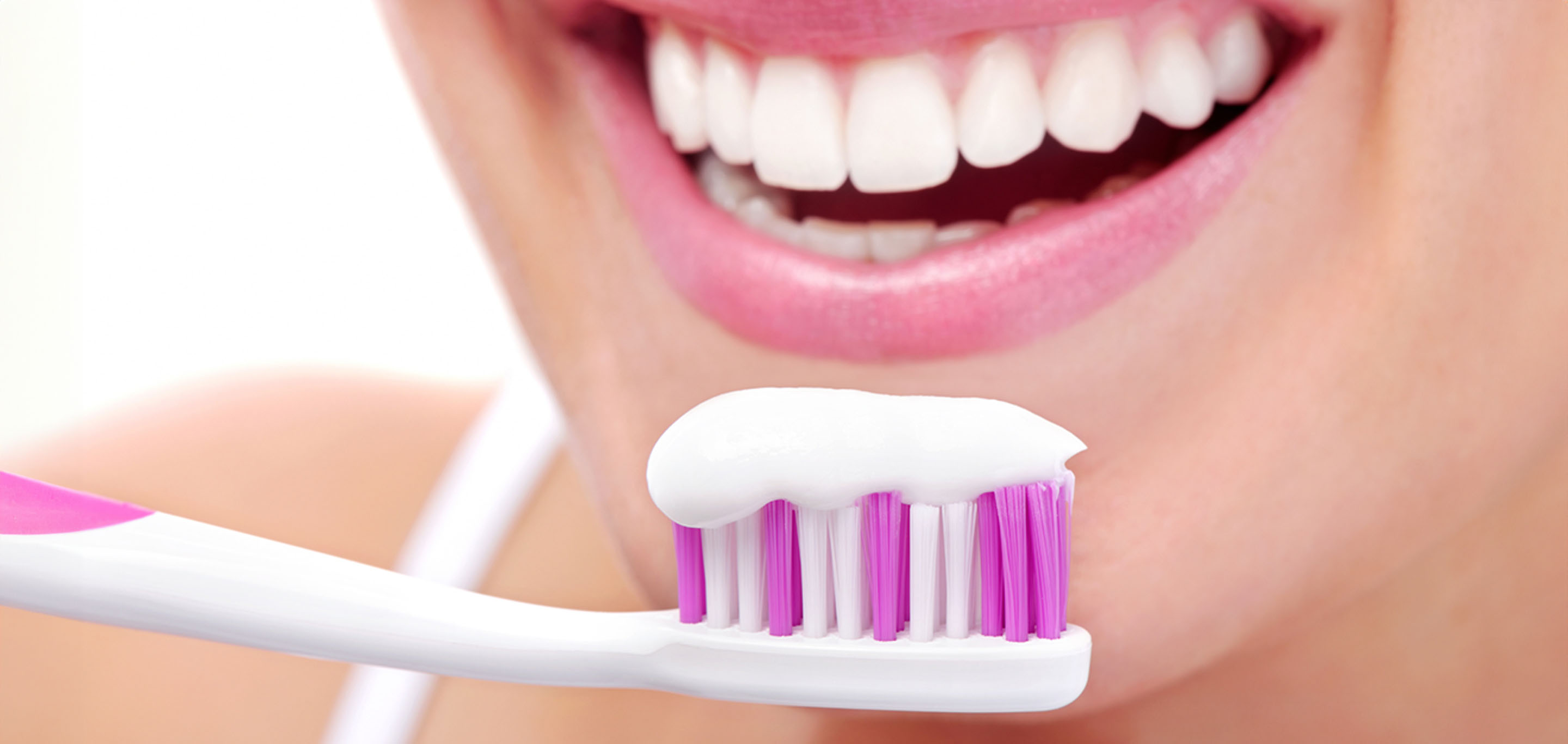
It's a small daily decision most of us never think twice about, but it comes up a lot: do you brush first thing, or after you've eaten? The short answer is that brushing before breakfast is usually the better choice — and if you prefer to brush afterward, it's best to wait about 30 minutes first.
Below, we'll explain the reasoning behind both, along with a quick refresher on brushing well.
While you sleep, the bacteria in your mouth multiply — which is why you wake up with "morning breath" and a filmy feeling on your teeth. That film is plaque, a sticky layer of bacteria. Brushing first thing clears it away before you eat, so those bacteria aren't left to feed on the sugars in your breakfast and produce even more acid. It also does two more useful things:
Brushing in the morning is also simply easier to remember, which helps you hit the recommended twice a day.
Here's the part that surprises people. Many breakfast staples — orange juice, citrus fruit, soda, and other acidic foods — temporarily soften your enamel. If you brush while it's still soft, the bristles can actually scrub away that weakened surface, wearing down your teeth over time.
So if you'd rather brush after breakfast, give it about 30 minutes first. That gives your saliva time to neutralize the acid and let your enamel re-harden. In the meantime, rinsing with water or chewing sugar-free gum keeps your mouth fresh without any risk to your teeth. The same rule applies any time of day — after a soda, a glass of wine, or citrus, give your enamel that half-hour before you brush.
When you brush turns out to matter less than how you brush. A few simple habits make most of the difference:
Of your two daily brushings, the one before bed matters most. Your mouth produces less saliva overnight, so going to sleep with clean teeth gives them the best protection through those vulnerable hours.
Yes — even with a great routine at home. Brushing and flossing miss some spots, and over time leftover plaque hardens into tartar, which can't be removed with a toothbrush. A professional cleaning clears it away, and a regular checkup lets your dentist catch small problems before they turn into big ones. Most people do well with a visit every six months, though your dentist may suggest a different schedule based on your needs.
Swap it out every three to four months, or sooner if the bristles look frayed, bent, or worn. A splayed-out brush simply doesn't clean well — and it's an easy thing to overlook. An easy trick: replace it at the start of each new season.
Due for a cleaning or checkup? Book an appointment with Dentistry at Kanata and keep your smile in great shape.
This article is for general information only and isn't a substitute for personalized dental advice. Your dentist can tailor a routine to your teeth and needs.