

Dentistry@Kanata
July 13, 2026
You may be tempted to pull out your child’s tooth if they start to become sensitive or fuss over it.

A wiggly tooth is an exciting milestone, but it can leave parents unsure of what to do. When your child keeps poking at it — or starts to fuss because it's bothering them — it's natural to want to just get it over with.
In most cases, though, the best thing you can do is leave it alone and let it fall out on its own. Pulling a tooth before it's ready can cause unnecessary pain, bleeding, and even infection. Here's why letting it fall out is best, how to help the process along safely, and when it's worth checking in with a dentist.
Baby teeth (also called primary teeth) are placeholders. Their job is to hold space in your child's jaw until the permanent teeth are ready to come in. When an adult tooth is ready to emerge, it slowly dissolves the root of the baby tooth above it. As that root disappears, the tooth loosens and eventually falls out on its own.
Most children start losing baby teeth around age six, usually beginning with the bottom front teeth, and finish up around age twelve. They tend to fall out in the same order they came in, and there's a wide range of normal — some children start a year or two earlier or later. So a loose tooth is usually a sign that everything is happening exactly as it should.
Usually, NO. Since a tooth only loosens once its root has mostly dissolved, letting it come out naturally is almost always painless. Stepping in too early is where problems start: tugging on a tooth that isn't ready pulls on tissue that's still attached, which can cause pain, bleeding, and a higher chance of infection. When it comes to loose teeth, patience really is best.
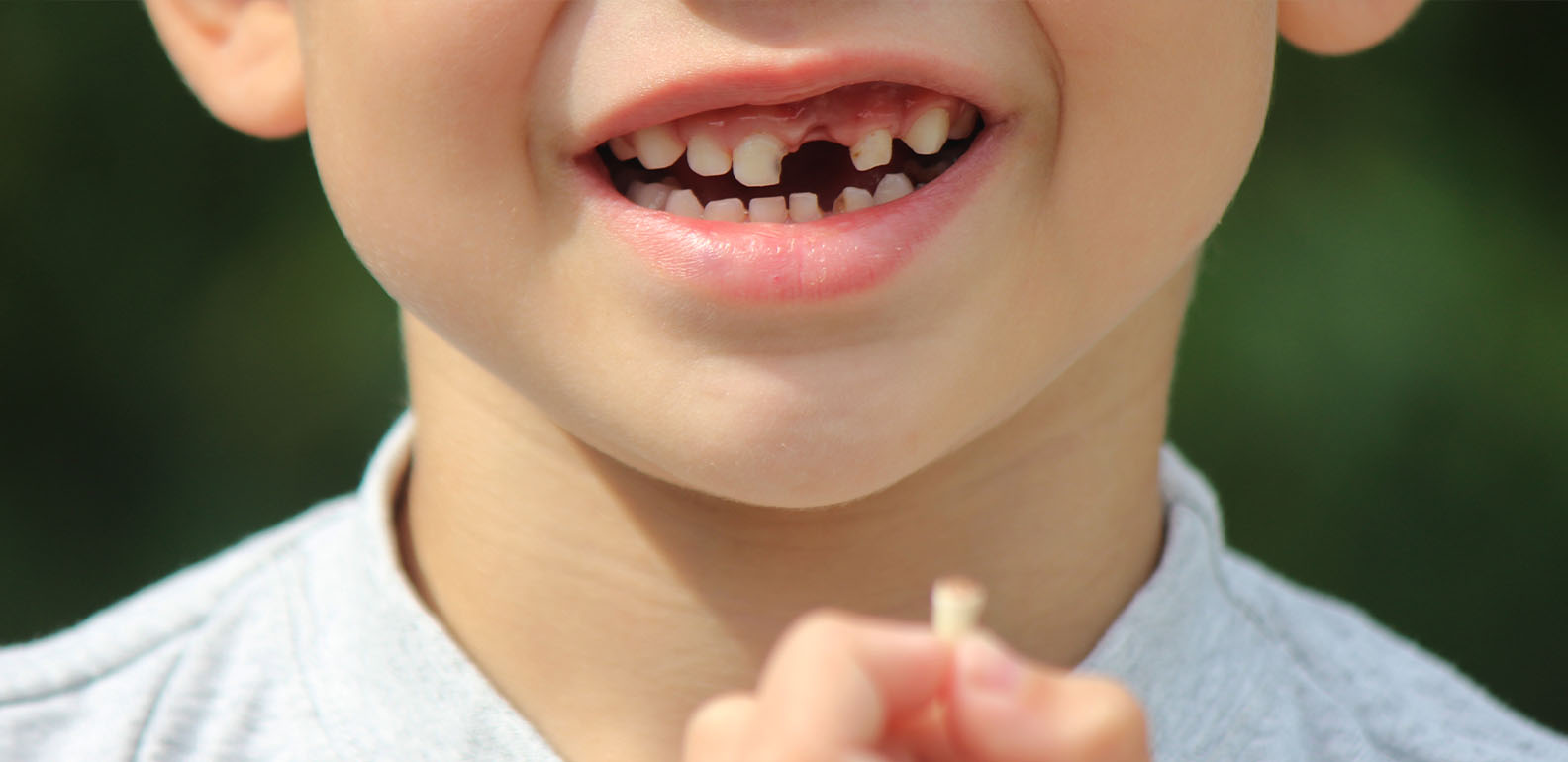
You can gently encourage a loose tooth without forcing it — and it helps to let your child set the pace. Some kids are thrilled for a visit from the tooth fairy; others feel a little nervous. Either way, reassure them it's a normal part of growing up, and never force a tooth if they aren't ready.
Most loose teeth need no help at all. But a few situations are worth a professional look:
From first wiggly teeth to routine checkups, our team helps kids feel at ease every step of the way. Book your child's visit with Dentistry at Kanata and we'll take a look.
This article is for general information only and isn't a substitute for professional dental advice. If you're unsure about your child's tooth, your dentist is the best person to ask.